Bilingual doesn't mean two websites
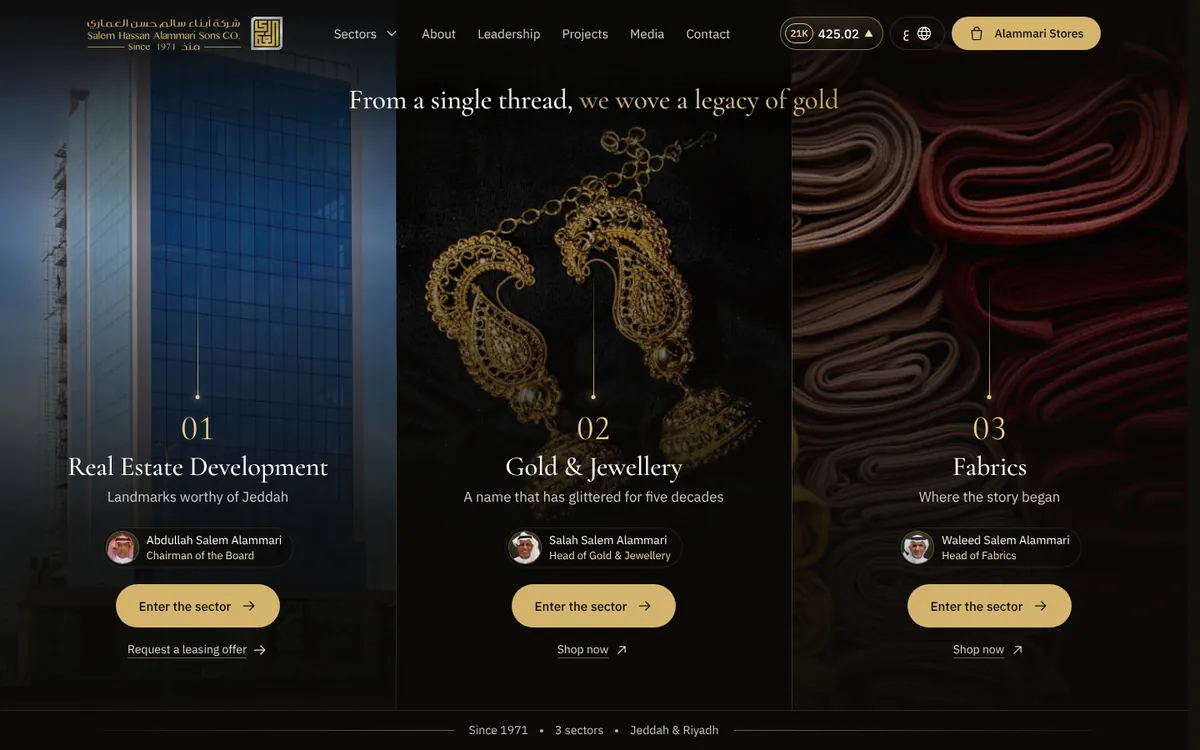
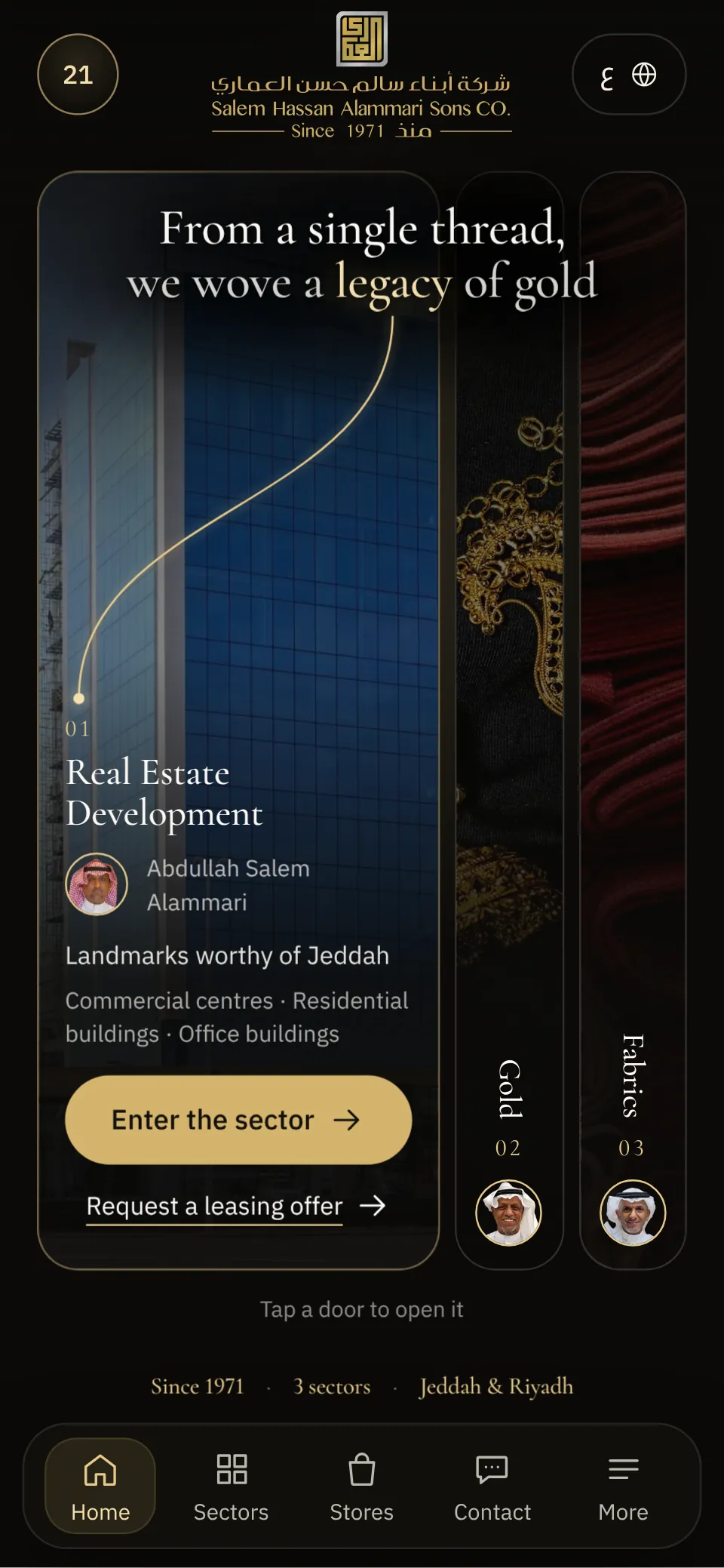
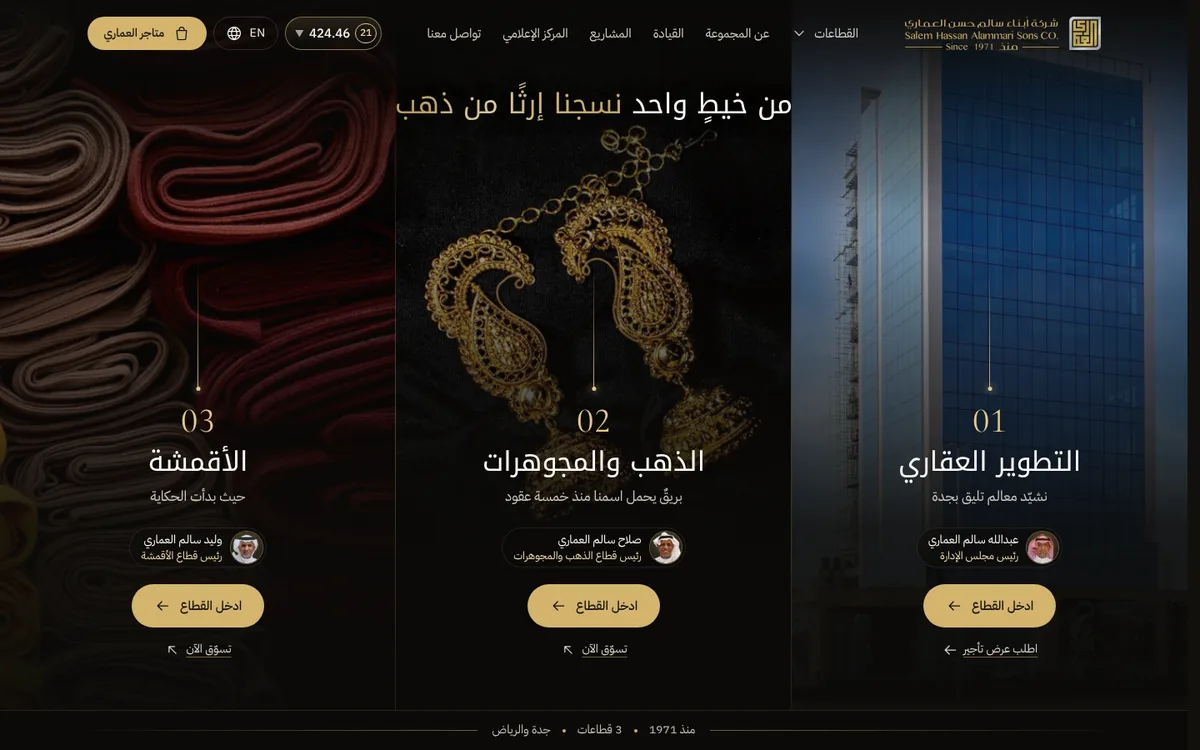
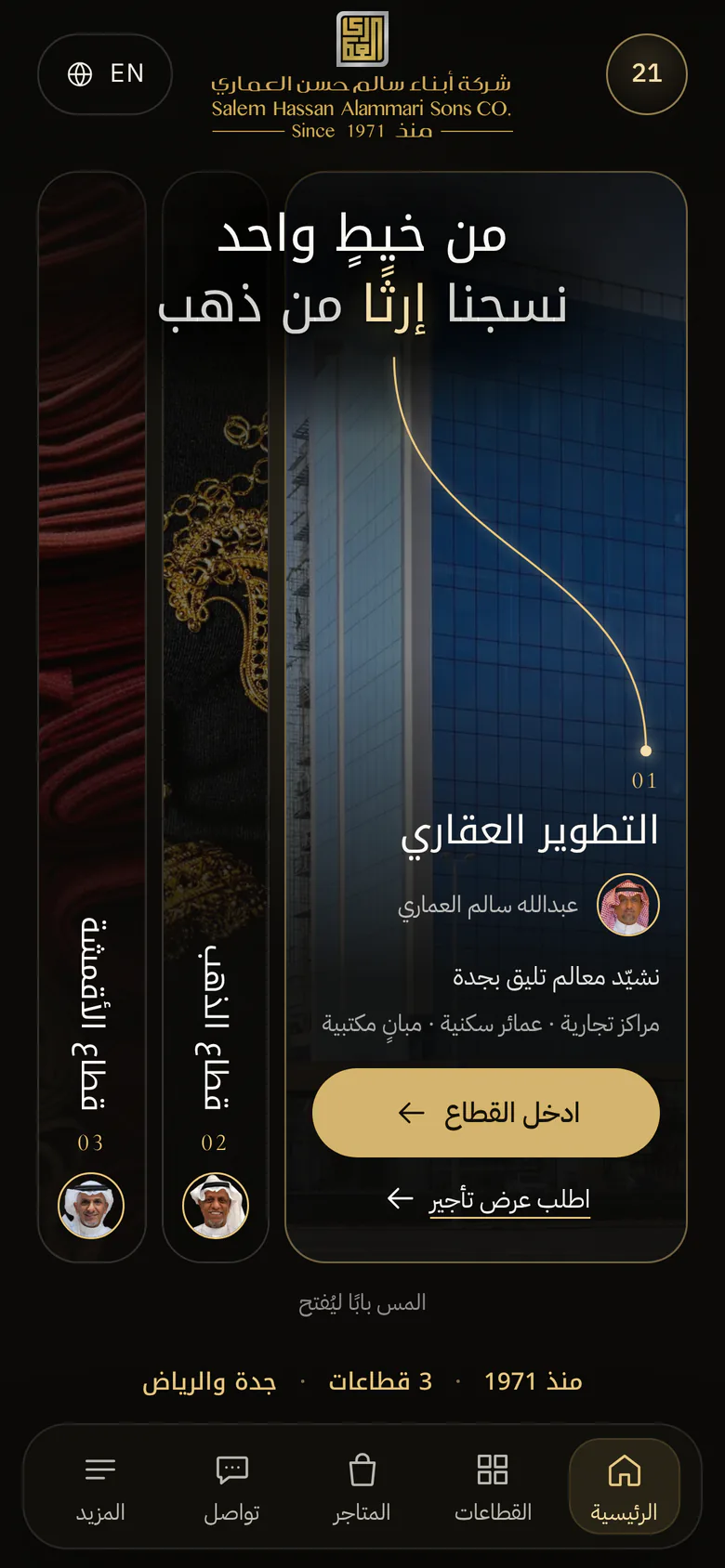
A common mistake is building the site in Arabic, then copying and translating it, so you end up with two websites that drift apart with every edit. A proper bilingual site is one body of content with two versions: the same pages, images and structure, with each Arabic page linked to its English counterpart. That keeps the language button sending people to the right place, and keeps both versions in step when you update one.
Machine translation shows in the first line
English readers, especially partners and investors, spot literal translation immediately: Arabic sentence structure in English words, terms nobody in your industry uses. Good English copy says the same thing the way a native writer would, and may be shorter or longer than the Arabic. Ask for the English to be edited, not carried over word for word.
What Google needs to understand both versions
Each version needs its own URL, its own title and description in its language, and an hreflang tag linking each page to its counterpart. Without them, Google may show an Arabic title to an English searcher, or treat the two versions as duplicate content. Visitors never see these details, but they decide whether searchers find you in their language.
Two directions, one design
Arabic reads right to left and English left to right, so menus, arrows and alignment flip. A design planned for both directions from the start stays balanced either way. The Arabic and English typefaces also need to be close in weight, so neither version looks heavier or smaller than the other.
Before you order: who reads the English?
Pin down your English audience first. A partner wanting your company profile and licences? A guest looking for rates and location? A patient checking which doctors speak which languages? The answer decides what the English version puts first; its order can differ from the Arabic without the content differing.